
How We Scaled a D2C Fitness Brand to ₹6 Lakhs in 3 Months with Meta Ads and Branding
This fitness brand case study follows FitBeast’s journey from brand identity, website and packaging to social media and Meta Ads, generating ₹6,00,000 in sales in the first three months of the paid campaign.
Explore the case study View our services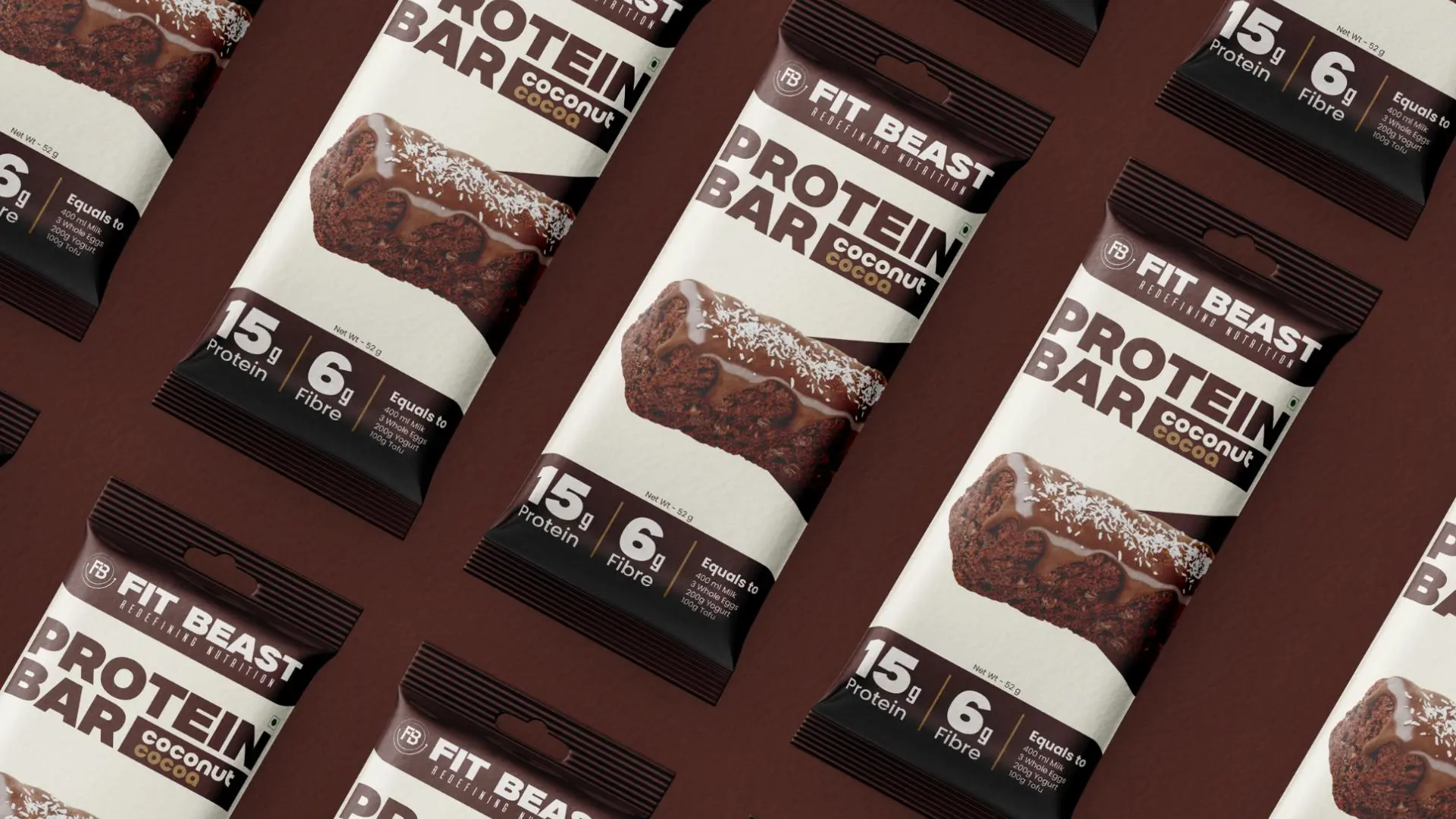
₹6 lakh in sales in the first 3 months of the Meta Ads campaign.
The paid campaign period, following the initial brand-building work.
Identity → website → packaging → social media → Meta Ads.
Build the brand experience before buying attention.
FitBeast’s engagement began with the foundations of a fitness e-commerce brand: a recognisable identity, a website, packaging and a social presence that could work together.
Rather than treating paid media as the first standalone deliverable, the project connected the touchpoints a customer would encounter before and after a click.
The supplied account does not establish a starting sales baseline. This case describes the documented scope and sales, without claiming a percentage uplift.
One connected journey, built in stages.
A recognisable visual foundation.
We began with the logo and brand direction. This gave the website, packaging and social content a shared visual language.
A destination for customer interest.
Website development connected the brand presentation with its e-commerce experience. The source does not specify the platform or quantify a conversion-rate improvement.
The brand, in the customer’s hands.
We extended the identity into packaging. The FitBeast Behance project documents the branding and packaging work, connecting the online presentation to the physical product.
A foundation before paid acquisition.
Social media work followed the core brand assets. The supplied account describes building a base for the brand; it does not supply follower growth, engagement rates or a testing breakdown.
From brand building to paid acquisition.
After the initial social foundation, we moved into Meta Ads. The campaign generated ₹6 lakh in sales over three months. Budget, attribution settings and order-level evidence were not provided.
₹6 lakh in sales.
Three months of Meta Ads.
The Meta Ads campaign generated ₹6 lakh in sales over three months. The engagement also included earlier identity, website, packaging and social work; three months is not the duration of the entire project.
Reading the result accurately
Sales alone do not establish profit or advertising efficiency. Without ad spend and an agreed attribution basis, FitBeast’s ROAS cannot be calculated. Product costs, fulfilment, fees, discounts and refunds also matter when assessing profitability.
Sales figure from the project account. Exact campaign dates, attribution settings and gross-versus-net treatment were not supplied. No incremental-sales or profit claim is made.
Treat the click as part of a larger experience.
Coordinate the product a customer sees in an ad, the information on the website and the packaging they receive. This case does not isolate the sales contribution of any single deliverable.
Before paid acquisition, check that customers can understand the offer, find pricing and delivery information, complete checkout and reach support. Agree how sales will be measured and reconciled with store records.
These are general planning considerations, not a claim that a specific tracking or checkout setup was implemented for FitBeast.
Connect your brand to what comes next.
Let’s discuss the foundations you need and the outcomes you want to measure.
Your questions about growth, answered.
About FitBeast and our services
How did you grow FitBeast to ₹6 lakhs in 3 months?
We built the brand foundation through identity, website development, packaging and social media, then moved into Meta Ads. The campaign generated ₹6,00,000 in sales in its first three months. This case does not include a verified breakdown of creative tests, retargeting audiences, spend changes or profit.
How long does it take to see results from Meta ads for a fitness brand?
FitBeast’s sales result covers the first three months of Meta Ads. Early-week performance and the point at which results became stable were not supplied. For another brand, the timeline depends on budget, demand, the offer, creative quality and purchase volume; a fixed 60–90-day outcome cannot be guaranteed.
What was the ad budget and ROAS for this case study?
The ad spend and attribution basis have not been supplied, so we cannot calculate or publish FitBeast’s ROAS. ₹6,00,000 is the sales result, not the advertising budget or profit. A spend range should only be added once verified against the campaign and store records.
Can the same strategy work for my fitness brand?
The principle of connecting positioning, creative, a clear shopping journey and paid acquisition can be adapted to other brands. The execution should reflect your product, margins, audience and buying cycle. FitBeast’s result is one case, not a forecast for supplements, apparel, equipment, apps or studios.
Do you work only with fitness brands?
No. SureShot’s services also cover fashion and apparel, skincare and cosmetics, home decor, lifestyle, and health and wellness brands. The scope is tailored to the business. See our performance marketing and website development services, or contact us to discuss your category.
What is included in a fitness brand marketing package?
An agreed scope can connect brand identity, creative, social media, website or landing-page work and paid marketing. FitBeast’s documented scope included identity, website development, packaging, social media and Meta Ads. Automation, retention campaigns and additional channels should be specified separately rather than assumed to be included.
Planning your D2C fitness marketing
General planning guidance below is separate from FitBeast’s documented campaign activity.
How do I start selling fitness products D2C?
Define the customer and offer, validate demand and unit economics, then prepare product information, pricing, payments, delivery, returns and support. Build a usable store and test checkout before attracting traffic. Product-specific labelling and selling requirements should also be checked before launch.
Is Meta advertising effective for fitness brands?
It can be a useful acquisition channel when the product, offer, creative and shopping experience fit the audience. Evaluate delivered sales and contribution after costs, not clicks alone. FitBeast reached ₹6,00,000 in sales over three months, but the case does not establish a universal return or profit benchmark.
What is a good ROAS for a fitness D2C brand?
There is no single profitable ROAS for every brand. ROAS is revenue attributed to advertising divided by ad spend. Set a target using your product margin, fulfilment and payment costs, discounts, refunds and repeat-purchase economics. A high platform ROAS can still coexist with low profit.
How much should a fitness brand spend on Meta ads?
Start with the acquisition cost you can afford, the purchases needed to learn and a loss limit the business can fund. Include creative and website costs in the plan. Increase spend only after reviewing purchase quality and unit economics; FitBeast’s undisclosed budget is not a reliable spending guide for another brand.
Should I sell on my own website or marketplaces like Amazon?
An owned website gives more control over branding and the customer relationship, but you must generate traffic and manage the experience. Marketplaces provide access to existing shoppers while adding fees, competition and platform rules. Compare contribution margins and operational workload; a combined approach may suit your business.
What types of ad creatives should a fitness brand test?
Possible tests include product demonstrations, creator or customer content used with permission, trainer-led explanations, product education and short video. Match each angle to the actual product and evaluate purchases, not engagement alone. Do not imply that a format guarantees results or use unsupported transformation claims. These are test ideas, not a list of FitBeast’s confirmed campaign assets.
How important is branding for a D2C fitness business?
Branding helps customers recognise the product and understand its positioning across ads, the website and packaging. Keep the visual identity and product information consistent. FitBeast’s engagement connected these touchpoints before paid acquisition, although the case does not isolate how much sales came from branding alone.
How do I reduce customer acquisition cost for my fitness brand?
Calculate CAC using acquisition-related sales and marketing costs divided by new customers in the same period. Then identify weak points in creative, traffic quality, product pages and checkout. Track returns and margins alongside CAC so a cheaper acquisition does not conceal poor-quality orders.
How do I increase repeat purchases and lifetime value?
Start with a product and delivery experience customers want to repeat. Where suitable, test replenishment reminders, useful post-purchase content, bundles or subscriptions. Use email or WhatsApp only with the appropriate permissions, and measure repeat orders and contribution over time. These are general retention options, not confirmed FitBeast deliverables.
How do I handle COD orders and reduce RTO in India?
Confirm order and address details before dispatch, explain the COD amount and delivery expectations clearly, and follow up promptly on failed deliveries. Track RTO by courier, location and order type, including return-shipping costs in your margins. RTO means a shipment could not be delivered and was returned to origin.
Can I advertise supplements or weight-loss products on Meta?
Check the exact product, ingredients, claims, destination page and audience against Meta’s current Advertising Standards and the rules applicable to your market before launch. Do not assume that every supplement or weight-loss offer is eligible. Use substantiated product information and review proposed transformation or health claims carefully.
Are ₹6 lakh in sales and ₹6 lakh in profit the same?
No. Profit accounts for relevant costs. The result here is ₹6,00,000 in sales during the first three months of Meta Ads, not profit or an independently verified net-revenue figure.